The Invisible Weight Shift on PA Highways
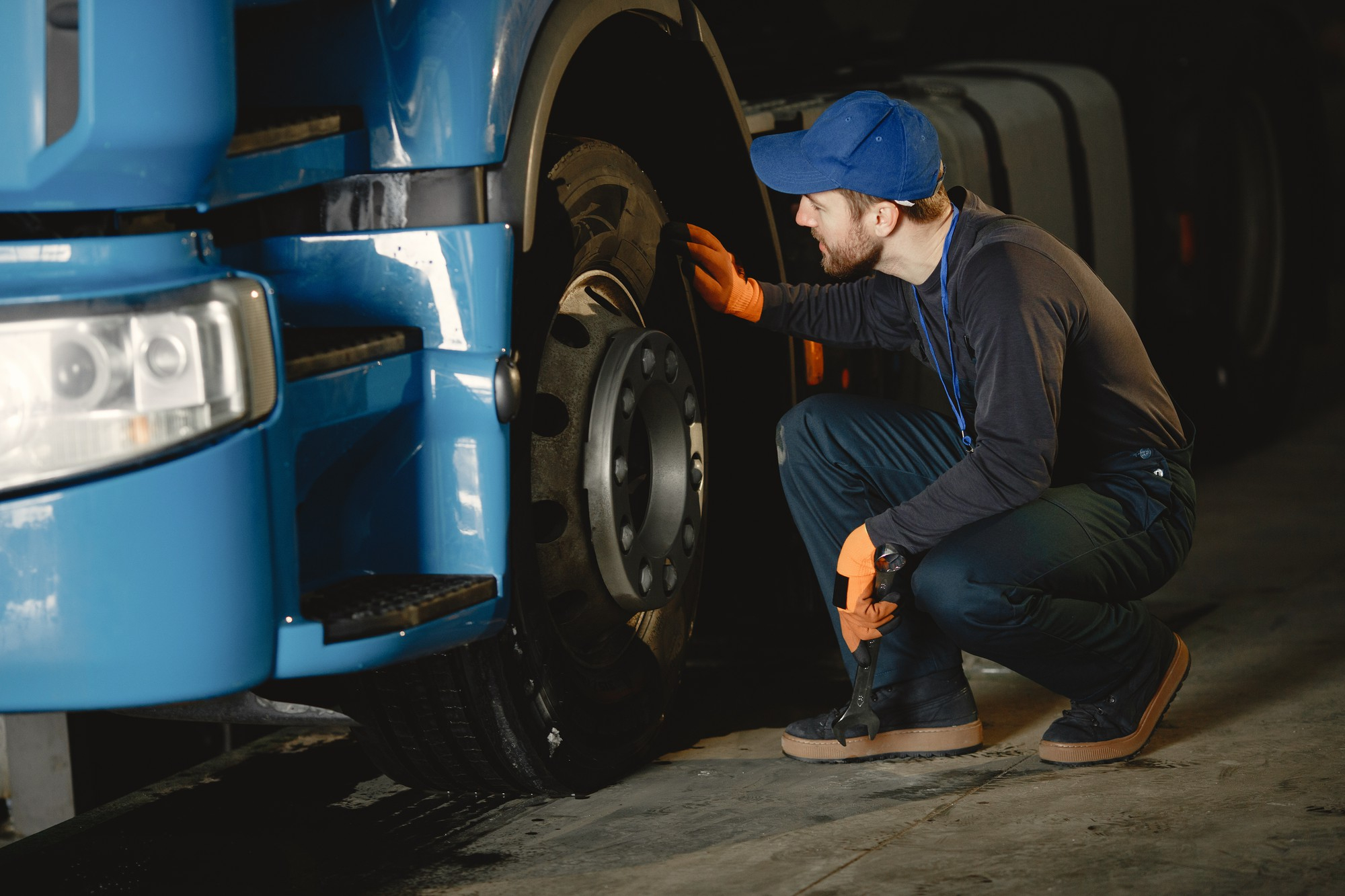
Walk through any Pennsylvania driveway and you’ll see the trend. Family-sized SUVs, crossovers, hybrids and electric vehicles (EVs) have replaced the lighter sedans of a generation ago, and the average vehicle is hundreds of pounds heavier than it used to be. Some EVs weigh thousands of pounds more than a comparable gas model.
Your tires carry all of that weight, and they were not all designed for it.
The takeaway: weight ratings and load indexes matter as much as tread pattern, and for many drivers they matter more. Here’s how to make sure your tires match your vehicle.
The Physics Problem: Why Heavy Cars Chew Through Rubber
Heavier vehicles wear tires differently, and the effect shows up in three ways.
Instant torque stress. Electric and hybrid motors deliver their full torque the moment you press the pedal. That sudden force works against the contact patch, the small area of rubber touching the road, and wears it faster than the gradual power delivery of a gas engine.
The weight penalty. A battery-equipped EV is often several hundred to well over a thousand pounds heavier than its gas-powered equivalent. In a turn, that extra mass pushes harder against the tire’s shoulder, scrubbing rubber off the pavement and increasing wear on the outer edges.
The PA infrastructure factor. Pennsylvania’s interstate expansion joints, patched asphalt and freeze-thaw damage hit a heavy vehicle harder. More mass means more impact force on each bump, which speeds up sidewall fatigue and can contribute to internal belt damage over time.
Reading the Sidewall: Load Index and XL Ratings
Most drivers know to look at a size like 225/60R18. Fewer look at the number that follows it, the load index.
The load index tells you how much weight a single tire can carry at its maximum rated pressure. For example:
- Load index 100: about 1,764 lbs per tire
- Load index 104: about 1,984 lbs per tire
That difference may look small on paper, but it is a real margin for a heavy crossover or EV, especially when you add passengers, cargo and a roof box.
Why this matters: fitting a standard passenger (P-metric) tire on a heavy vehicle can leave you with little safety margin. A tire working near its limit runs hotter, flexes more and wears out sooner. For heavy crossovers and EVs, look for:
- Extra Load (XL) tires, which are built with reinforced construction to carry more weight at higher pressure.
- EV-specific tires, which are engineered for the added weight and torque, and often for lower rolling resistance and quieter operation.
Never go below the load index on your vehicle’s door-jamb placard or in your owner’s manual. If you’re unsure what your vehicle requires, we’ll check it with you.
How Season Changes Affect Your Tires
Pennsylvania has four distinct seasons, and each one asks something different of your tires. Heavy vehicles feel those demands more.
Spring: pothole season and alignment risk.
Freeze-thaw cycles leave the roads cratered by March. A heavy vehicle hitting a pothole transmits more force into the wheel, tire and suspension. Spring is the best time to check for bulges, cracks and uneven wear, and to have your alignment inspected.
Summer: heat and highway speeds.
Hot pavement and long drives raise tire temperatures and pressure. Overloaded or underinflated tires are much more likely to fail in the heat. Check pressure when the tires are cold, and watch tread depth, since worn tires are more prone to hydroplaning in summer downpours.
Fall: wet leaves and the winter countdown.
Wet leaves can be as slick as ice on hilly roads. Fall is also when to decide if your current tires will get you through winter. If your tread is near 4/32″, replace them before the first snow, not after.
Winter: cold rubber and falling pressure.
Rubber compounds stiffen as temperatures drop, which reduces grip. Summer and performance tires lose much of their traction in the cold, and all-season tires can lose some as well. As a general rule, winter tires are worth considering once temperatures stay consistently below about 45°F. For EV owners, this matters even more, since cold weather already reduces range, and a heavy vehicle on tires that can’t grip is a real safety concern.
The year-round rule: tire pressure falls roughly 1 PSI for every 10°F drop in temperature. Pennsylvania can swing 30 to 40 degrees in a day, so your pressure can change noticeably without you doing anything.
Smart Upkeep Strategies for Heavy Vehicles
Rotate more often.
Many vehicles follow a rotation schedule of 6,000 to 8,000 miles, but high-torque and heavy vehicles often wear their drive-axle tires much faster. We recommend rotating every 4,000 to 5,000 miles, and following your owner’s manual if it calls for something different. Frequent rotation evens out wear and extends the life of the set.
Walk the pressure tightrope.
Pennsylvania’s temperature swings make pressure management a constant task on a heavy frame:
- Overinflated tires wear the center of the tread faster.
- Underinflated tires wear the shoulders and flex excessively, which builds heat.
- Inconsistent pressure can contribute to cupping and uneven wear patterns.
Check pressure monthly, and again after any sharp temperature change. Use the pressure listed on your door-jamb placard, not the maximum printed on the tire’s sidewall.
Your Next Steps
Today’s vehicles are heavier, faster off the line and harder on tires than ever, and Pennsylvania’s roads and seasons add to the challenge. Matching your tires to your vehicle’s true weight and to the season ahead protects your safety, and saves money by getting more miles out of every set.
Ready to find out if your tires match your vehicle?
Stop by VAS Tires for a professional load-rating check and a complimentary tread wear analysis. We’ll confirm your tires meet your vehicle’s load requirements, check your pressure, and look for early signs of uneven wear. Call us today to schedule vehicle service.